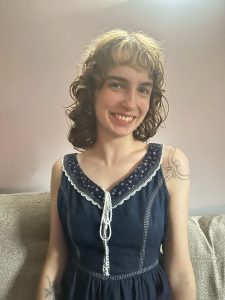
Name: Clio Morbello
Class Year: 2026
Major: Political Science
Internship Organization: The Immigrant and Refugee Community Organization (IRCO)
Internship Title: Legal Services Intern
What’s happening at your internship? We would love to hear what kind of work you are doing!
The Immigrant and Refugee Community Organization (IRCO) is a non-profit based out of Portland, OR. IRCO provides culturally specific services to immigrants, refugees, and families across Oregon and Washington. The legal services team, where I worked, provides low-cost legal education and assistance, including application aid and representation, for a diverse group of community members.
Why did you apply for this internship?
I’m originally from the Pacific Northwest and wanted to be close to home, so I sought out opportunities in the area. I also knew that I wanted my work to have a direct impact on the lives of my community members, and I am passionate about civic rights and supporting the immigrant community.
Can you talk about the skills you are learning and why they are important to you?
Working in an office has been a new experience for me, as was the entire field of legal services outside of my undergraduate coursework in Political Science. The most valuable skill I’ve practiced this summer has been asking questions, both for practical purposes and to further my learning in nonprofit administration and law. I’ve always had a difficult time asking others for help, but it has been essential in this internship. I’ve also become much more detail-oriented, and I’ve learned that it’s worth it to take extra time before submitting work to my supervisor for review. The stakes of making a mistake at the expense of a client or the ILS office are much higher than the stakes of my potential embarrassment. I’m happy to report that, in fact, nobody has ever been disappointed in me for asking too many questions.
At the start of this internship, I was also very nervous about making direct phone calls to potential clients, namely because I worried that I would not have the answers or good news to offer. More often than not this was true, given my own lack of experience with the complexities of immigration law, our lack of capacity, and the general insanity of immigration policy in the U.S. However, I overcame my own anxieties and was able to begin the intake process for close to fifteen families, all the while becoming more confident in my own ability to communicate effectively and politely with community members, remain professional at all times, and answer questions.
Although I’ve only scratched the service, my experience with immigration law has given me knowledge and practical skills that I intend to build upon and utilize in the future. I am currently looking for other avenues for involvement in legal services and direct support for the immigrant community, so that I can continue to advocate for and support my neighbors.
What is most rewarding about your internship?
It has been rewarding to know that my efforts to help streamline the client intake process and the provision of services to clients has directly allowed ILS to assist more people. This is an incredibly scary time to navigate the U.S. immigration system, and I’m grateful that my contributions have helped connect community members with legal aid and support, and offer some security.
On the personal side, engaging firsthand with legal writing, operations, and professionals has increased my interest in law school and a career in legal aid. I’m grateful that I still have a year left at Bryn Mawr to take full advantage of the academic and career advisors that can help me plan my next steps.



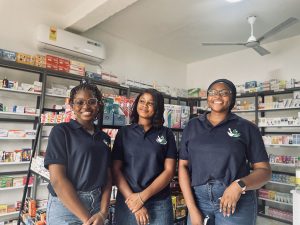
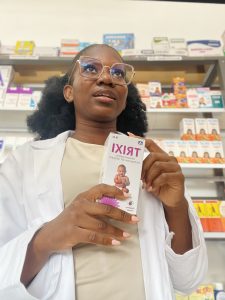 At Family Life Pharmacy, I’ve been getting a real hands-on feel for what goes into patient care. I spend a good part of my day talking with patients who are either picking up prescriptions after a hospital visit or preparing for one. I help make sure they’re getting the right medications for their needs. I also run a few basic tests (like malaria, typhoid, and blood pressure checks), which give more insight into what patients are dealing with based on the symptoms they share.
 I was always very interested in applying for a psychology-related internship. When I found out about the opportunity to intern in Vienna, I was immediately sold. Not only would it be really cool to be able to do an internship in a different country and explore the differences in psychology and therapy between the U.S. and Austria, but, since I am from the Netherlands, it was also a chance for me to be closer to home and family. Additionally, the opportunity to work at the trauma institute in the psychotherapy department aligns well with my interests and academic goals.
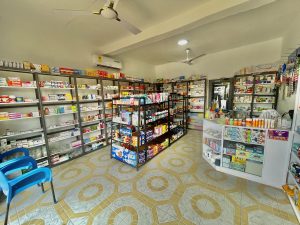 Although I was raised in Ghana, I wasn’t familiar with many local languages due to the country’s ethnic diversity and the dominance of English in schools. At the pharmacy, I was surprised to find that most clients communicated in “Fante” when describing medical conditions or requesting medications. Many drugs – even foreign ones – had local names, which made it challenging to assist them initially. However, with the support of the staff and my willingness to learn, I picked up the frequently used names over time. This experience deepened my appreciation for cultural and linguistic competence in healthcare settings.


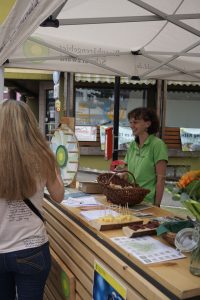
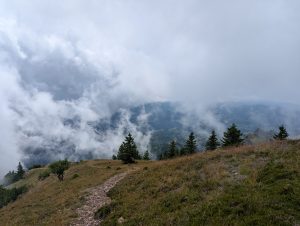 The UNESCO Black Forest Biosphere Reserve works to preserve the unique cultural and natural environment in Southwest Germany by encouraging collaborative relationships and exchange between conservationists, farmers, local businesses and educators alike. My role involves maintaining the team’s social media (@biosphaerengebiet_schwarzwald) and supporting community outreach through educational events, research projects, and regional tours. Working in public relations provides insight into each of the Biosphere Reserve’s interwoven departments:
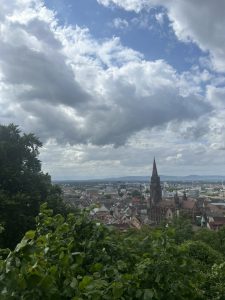
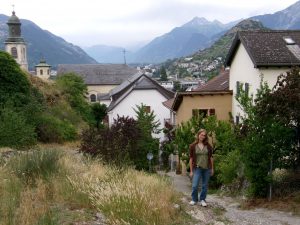
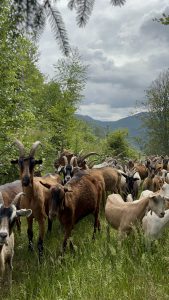 I found the internship at Biosphaerengebiet Schwarzwald through Dr. Margaret Strair in the bi-co German Department and Innovation Academy in Freiburg – an independent non-profit offering sustainability-based education in the region. I pursued the opportunity, in the interest of practicing German and supporting global climate justice. Also, so I could spend the summer outside, surrounded by gorgeous nature!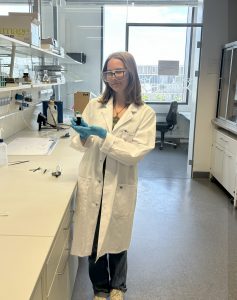
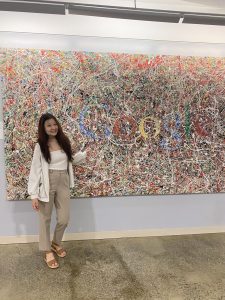
 I build software for an internal System Health monitoring web tool used by thousands of Google Engineers to diagnose issues and maintain applications stability and quality. I use web developmental frameworks to build a new feature that fetches data from external backend servers and display it for users. My internship also involves me collaborating with other engineers to devise design solutions, discuss data optimization strategies.
 Since it’s such a large company I’ve been meeting so many people, including lots of interns from all over the continent. And there are so many opportunities for non work related development like cooking, fitness classes. And I’m also happy to spend a summer in the San Francisco Bay Area, for tech people it’s one of the best cities to be in.
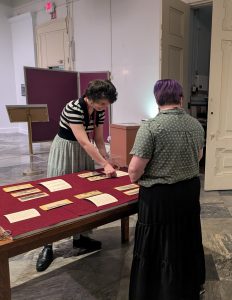
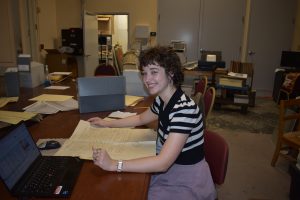 This internship was the culmination of a three-year project collecting and documenting information about sailors who worked for Stephen Girard, a merchant, banker, and philanthropist in early America, and the richest man in America when he died. Girard saved all of his papers, allowing us access to information that is usually lost. This project is exciting because it highlights individuals often left out of history. Sailors were often poor, lower-class, or people of color. These documents contained names, jobs, wages, physical descriptions, family details, literacy status, arrest records, clothing brought on board, and other small details that help create a picture of real people who lived and worked during this time. Founders Hall has maintained these records for a long time, but accessing the information about the sailors was challenging due to the large volume of papers and the extensive period covered. The project aimed to create a spreadsheet that organizes the crew members on each ship, along with any details about them in one place. This effort to make this information easier to access will help people better understand the maritime world of the late 18th and early 19th centuries.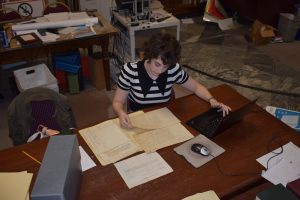
 What is something you have learned from your internship that you didn’t expect?